Kanou Shoujuan

Kanou Shoujuan
叶 匠壽庵

A wagashi shop where agriculture and confectionery meet, from the foothills of Otsu

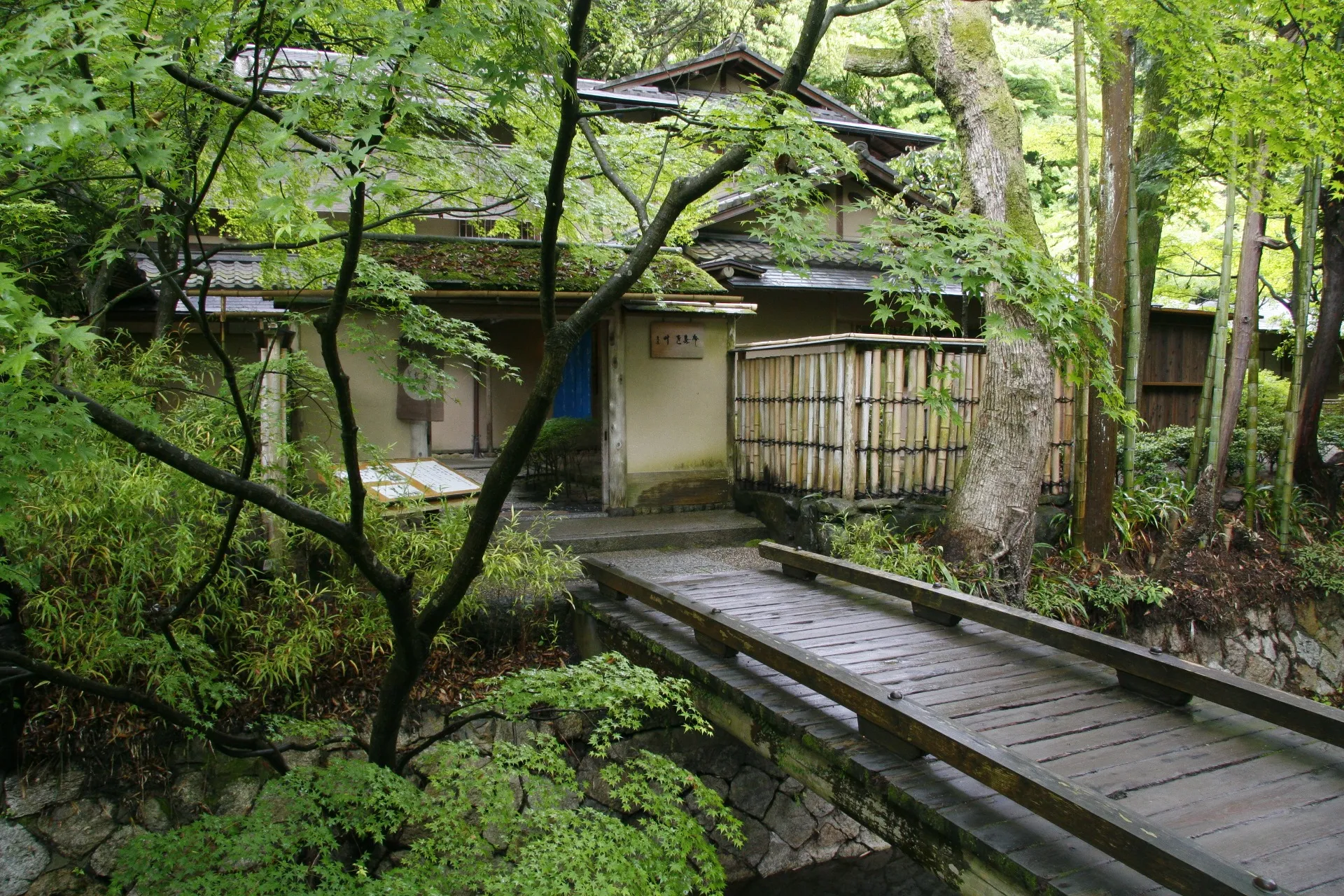
Sunai-no-sato hillside with buildings spreading under the summer blue sky
Photo: Kanou Shoujuan official website
1958
Founded
68 yrs
of history
Shiga / Otsu
Home
10
signature items on this page

About Kanou Shoujuan

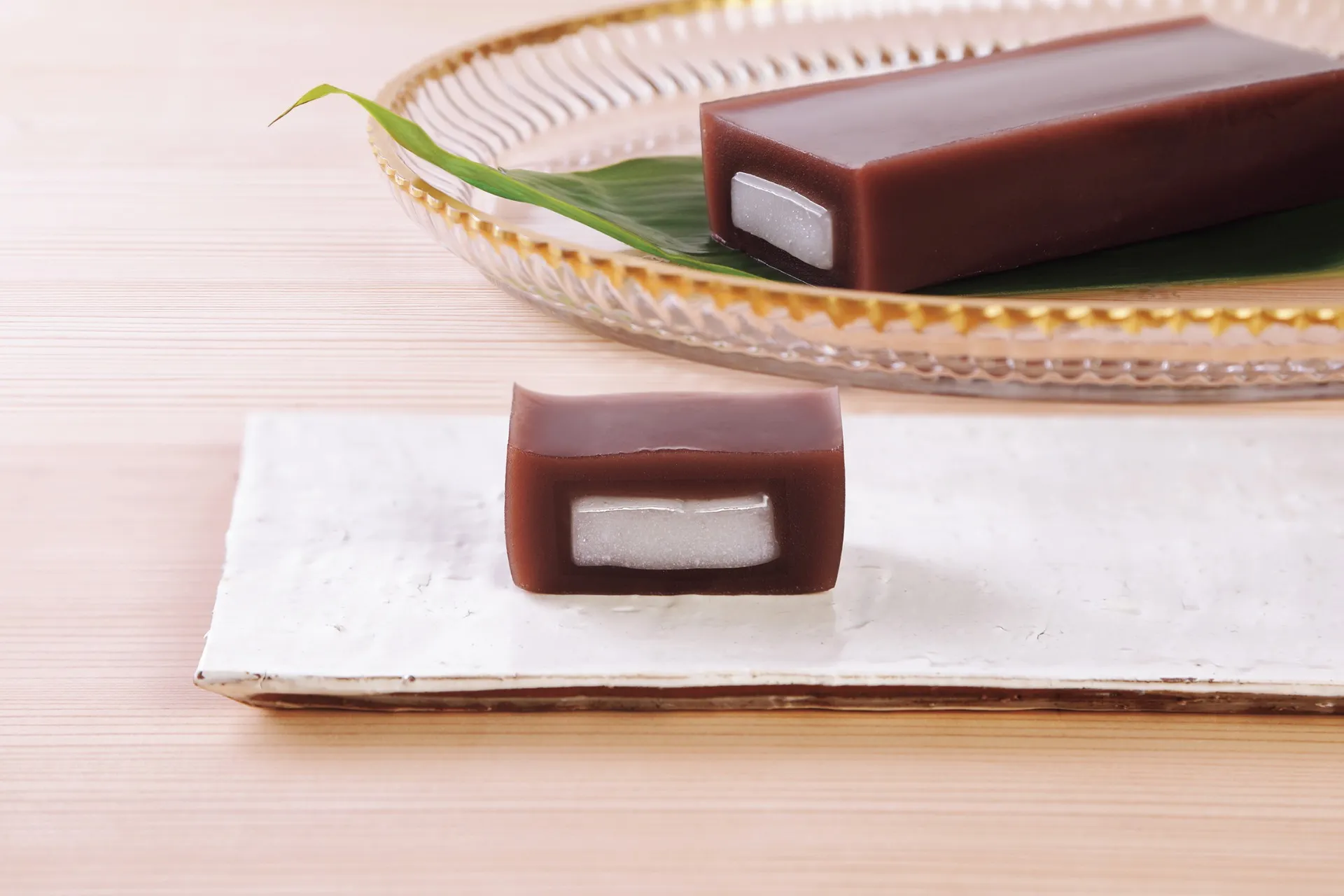
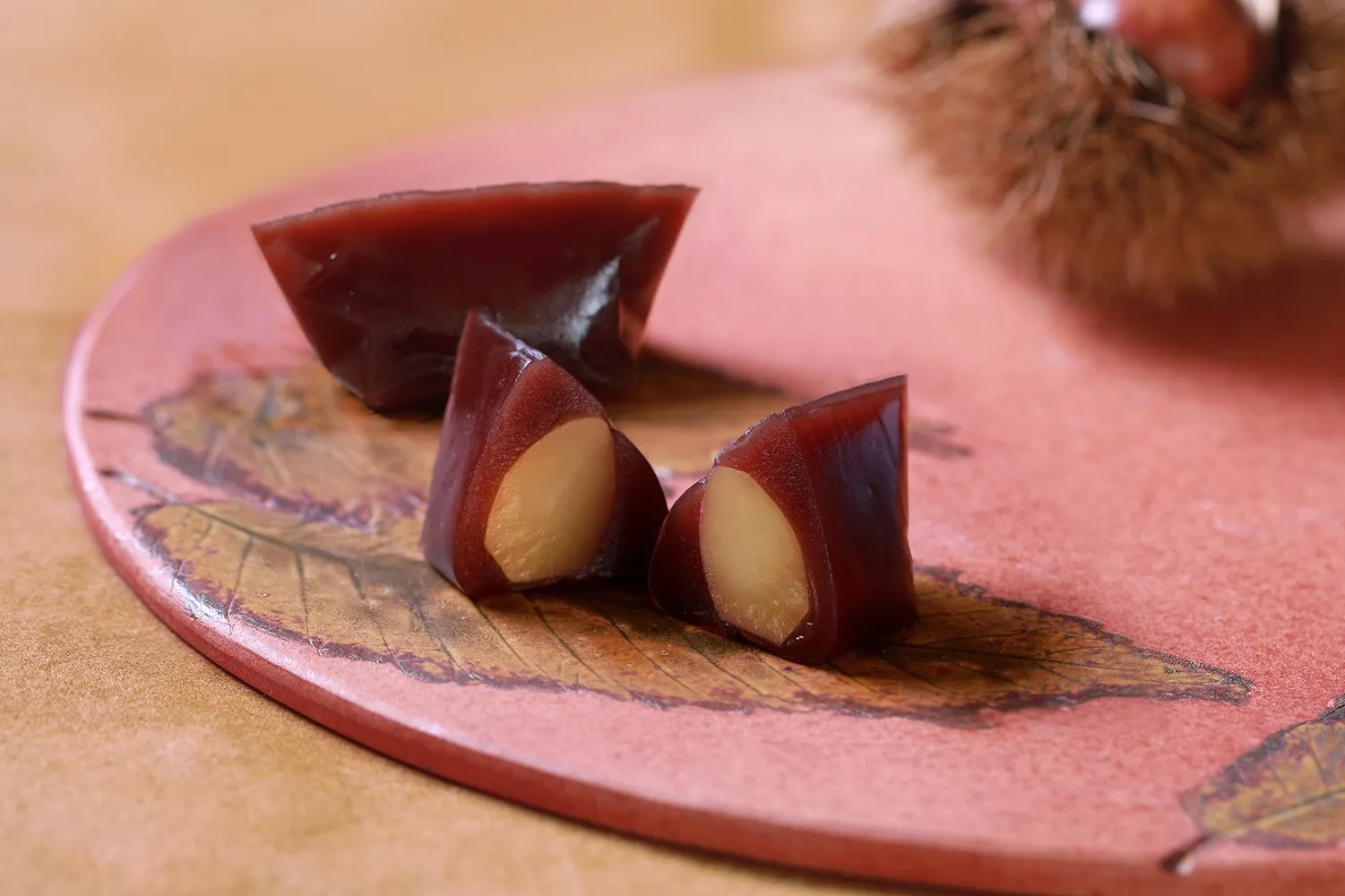
Kanou Shoujuan is a wagashi shop opened in 1958 by founder Seiji Shibata in Nagara, Otsu City, Shiga Prefecture. The shop at this location, near Miidera Temple, still operates as the Nagara Main Shop. In 1971, the flagship confection "Amo" was born, a bar-shaped confection of habutae mochi wrapped in chunky bean paste of Tamba dainagon azuki, which became the flagship product that made the shop widely known.

In 1985, based on the belief that "confectionery-making begins with ingredient-growing," the company opened "Sunai-no-sato," a main factory with farmland, by developing hillside land in Oishi Ryumon, Otsu City. On 63,000 tsubo of countryside, they grow ume plums and yuzu, and use Joshu-haku plums aged in their own plum storehouse in confections such as "Shimeno."

Currently, the company operates directly managed shops in Shiga Prefecture, Sunai-no-sato, the tea house "Kyoto Tea Room Building" in Kyoto, and sales locations in department stores and airports nationwide. The company has repeatedly won awards for craft confections at the National Confection Expo. At the 28th expo in 2025, the craft confection "寿美山" received the Minister of Education, Culture, Sports, Science and Technology Award.

BrandKanou Shoujuan
CompanyKanou Shoujuan Co., Ltd.
FoundedSeptember 1958
FounderSeiji Shibata
Head officeOtsu, Shiga Prefecture
CategoryWagashi (Japanese confectionery)
Official sitehttps://www.kanou.com/

History — timeline

  1. 1958

    Founder Seiji Shibata opened "Kanou Shoujuan" in Nagara, Otsu City, Shiga Prefecture in September. This became the current Nagara Main Shop.

  2. 1968

    Reorganized into Kanou Shoujuan Co., Ltd. in May.

  3. 1971

    Flagship confection "Amo" made with chunky Tamba dainagon azuki bean paste and habutae mochi was born.

  4. 1973

    Opened at Hankyu Department Store Umeda Main Store in November as the first location in a department store.

  5. 1978

    Opened direct shop "Kyoto Tea Room Building" on Kyoto's Philosopher's Path in June.

  6. 1979

    Opened in Ikebukuro Seibu Department Store in March as the first Kanto location.

  7. 1985

    Opened "Sunai-no-sato" in Oishi Ryumon, Otsu City in March, relocating the main factory.

  8. 2002

    Opened first cafe location "Cafe Kanou Shoujuan Nagahama Kurokabe Store" in March.

  9. 2012

    In-house staff-centered public relations magazine "Ume" first published in June.

  10. 2017

    Opened Bakery and Cafe "Noza" at Sunai-no-sato in September.

  11. 2022

    Opened new brand "Kanou Shoujuan Amoya" at Isetan Shinjuku Store in September.

  12. 2025

    Craft confection "寿美山" received Minister of Education, Culture, Sports, Science and Technology Award at the 28th National Confection Expo.

Agriculture and confectionery as one - the origin of confectionery-making is farming

Kanou Shoujuan calls the practice of cultivating crops that become confectionery ingredients with its own hands "agriculture and confectionery as one," making it a pillar of manufacturing. The company places its headquarters and workshop at Sunai-no-sato, developed from 63,000 tsubo of hillside near the Seta River flowing out of Lake Biwa. The company's agricultural production corporation grows plum, yuzu, and other crops. While living together with wildflowers and trees and wild creatures, the company burns charcoal, creates vessels, and tills the soil. The desire to offer things they have cultivated themselves leads to daily confectionery-making.

Signature sweets

Prices and contents are as shown on the official site on the date checked. They change with the season and stock.

Photo: Kanou Shoujuan official website / We do not store copies of the photos on this site.

Good to know

Joshu-haku and Tsuyuakane - homegrown plums

Founder Seiji Shibata searched for plums to match the company's confections and fell in love with "Joshu-haku," grown only in the Aotani district of Joyo, Kyoto Prefecture. His wish to grow plums became the catalyst for opening Sunai-no-sato. The company now also grows red plum "Tsuyuakane" and uses it in confections like "Shimeno" without artificial food coloring.

Tamba dainagon azuki beans and bean paste craftspeople

Selected for "Amo" are large Tamba dainagon azuki beans with thin skins. Expert bean paste craftspeople adjust fire and cooling seasonally, adding agar to azuki beans steeped in sugar syrup, bringing them to full, lustrous chunky bean paste.

Awards at the National Confection Expo

Since receiving the Takamatsu no Miya Honorary Patron Prize at the 18th National Confection Expo in 1973, the company has accumulated awards for craft confections. In 2008 and 2017, it received the Minister of Agriculture, Forestry and Fisheries Award, and in 2025 at the 28th expo, craft confection "寿美山" received the Minister of Education, Culture, Sports, Science and Technology Award.

Hundred-year countryside development

On Sunai-no-sato's 63,000 tsubo, approximately 350 tree species and 320 herbaceous plant species have been identified. In-house volunteers on the "Countryside Project" team work on forest management and Japanese honeybee beekeeping, aiming to pass this natural environment on 100 years into the future.

Shops

See the official shop list for all locations. Opening hours and closing days may change. Please check the official site before visiting. Photos: each shop's official page