Kogetsu

Kogetsu
京菓子處 鼓月

A new Kyoto confection born in postwar Kyoto

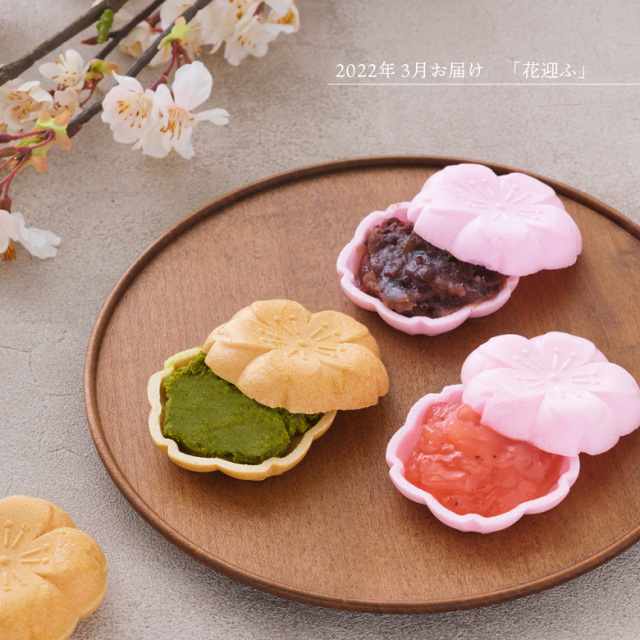
Kogetsu Friends Club mochi wafer and paste shaped cherry blossom
Photo: Kogetsu official website
1945
Founded
81 yrs
of history
8
signature items on this page

About Kogetsu

Kogetsu began in October 1945 as "Nakanishi Confectionery" shortly after the war in Kyoto. In a town crowded with established shops, its status as newcomer was, the official record reflects, the source of confection-making unbound by precedent and convention. Its name is said to have been given by Reverend Furukawa, abbot of Myoshin-ji Temple.

Its name spread through two items: "Hana," egg-yolk-filled baked dumpling sold from 1961, and "Senju senbei," released in 1963. At a time when butter and cream in Japanese confection was rare, these two famous confections, which adopted the ingredients and methods of Western confectionery, are still loved as the face of Kogetsu.

Now from its headquarters factory in Fushimi, Kyoto, Kogetsu creates over one hundred confection types annually, operating 50 shops nationwide between company-run and partner stores (as of March 2026). Azuki beans for each confection are selected individually and cooked nearly entirely in-house, the official states.

BrandKogetsu
CompanyKogetsu Co., Ltd.
FoundedOctober 1945
Head officeFushimi Ward, Kyoto
CategoryWagashi (Japanese confectionery)
Official sitehttps://www.kogetsu.com/

History — timeline

  1. 1945

    Founded as "Nakanishi Confectionery" in Kyoto. Its confection-making journey begins in Kyoto shortly after the war.

  2. 1953

    Established Nakanishi Confectionery Co., Ltd., establishing corporate structure.

  3. 1957

    Renamed Nakanishi Kogetsu Co., Ltd.

  4. 1961

    Launches "Hana," egg-yolk-filled baked dumpling. Appreciated as a Japanese confection incorporating butter and cream.

  5. 1963

    Releases "Senju senbei," wave-patterned wafer sandwiching cream. Becomes the catalyst bringing Kogetsu's name nationwide.

  6. 1966

    Renamed Kogetsu Co., Ltd. Main shop new building completed.

  7. 1982

    New headquarters factory completed.

  8. 2007

    Recognized for sanitation management; receives commendation from the Minister of Health, Labour and Welfare.

  9. 2013

    New factory completed; concurrently introduces renewable energy.

  10. 2015

    Opens Western confectionery shop "Patisserie KINEEL Kyoto."

  11. 2019

    Launches "anpower," energy-supplementing yokan.

  12. 2025

    Eightieth anniversary. Exhibits in the Kansai Pavilion Kyoto Zone at Osaka Kansai Expo; begins selling "Moon and Rabbit" brand fresh sweets.

Fusion of tradition and novelty

Kogetsu has made its signature the layering of time-sense upon Kyoto confection technique as its foundation. "Hana," born in 1961 when butter and cream in Japanese sweets were still rare, and "Senju senbei," emerging from cooking-tool molds, both stem from this posture. The official states the basis of confection-making is that the maker themselves be "sincerely convinced" of deliciousness. In materials, azuki beans are selected per confection and cooked individually in-house with unhesitating care.

Signature sweets

Prices and contents are as shown on the official site on the date checked. They change with the season and stock.

Photo: Kogetsu official website / We do not store copies of the photos on this site.

Good to know

"Beat it like a drum, let it reach the moon"

The name "Kogetsu" was given by Reverend Furukawa, abbot of Myoshin-ji Temple. "Draw meaning to a drum beaten and echoing; let that name resound across mid-sky and reach the moon" — wishing the company's prosperity, this meaning is said to be contained.

Senju senbei's wave pattern

In 1963, when purchasing machinery for a new confection, the company mistakenly acquired a German roast-meat maker, the official relates. Deliberately making use of its wave-patterned mold, the company created a confection unprecedented in Japanese sweets: cream sandwiched between cookie dough.

Azuki beans cooked per confection in-house

Azuki beans for each confection's paste are sought from across Japan as best suited to each confection and sorted grain by grain, then nearly 100 percent cooked per confection in-house. The official notes this is "rare in the industry."

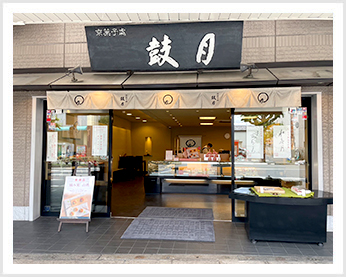
Shops

See the official shop list for all locations. Opening hours and closing days may change. Please check the official site before visiting. Photos: each shop's official page