Morihachi

Morihachi
森八

Confectioner to the Kaga Clan, Kanazawa

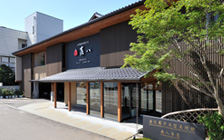
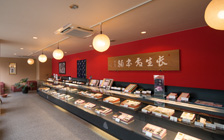
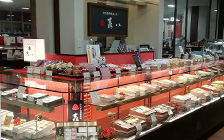
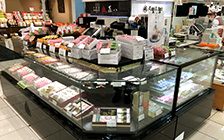
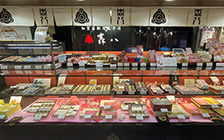
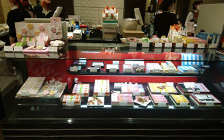
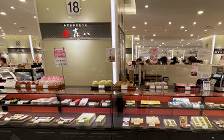
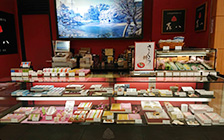
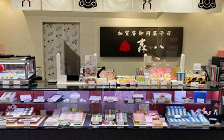
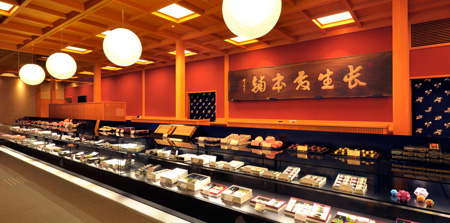
Inside Morihachi Main Shop. The signboard for "Choseiden Honpo" and showcase
Photo: Morihachi official website
1625
Founded
401 yrs
of history
10
signature items on this page

About Morihachi

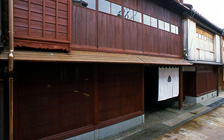
Morihachi began in 1625 when Hachizaemon Morishitaya, the second generation of a family engaged in sake brewing in Kanazawa, transitioned to confectionery-making by order of the Kaga Clan. The company positions this second generation as the practical founder, and thereafter walked through more than two hundred years of feudal government as confectioner to the Kaga Clan alongside the Maeda family.

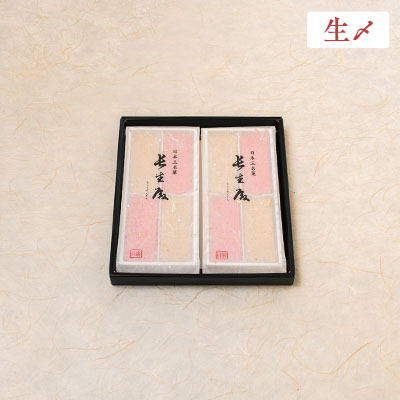
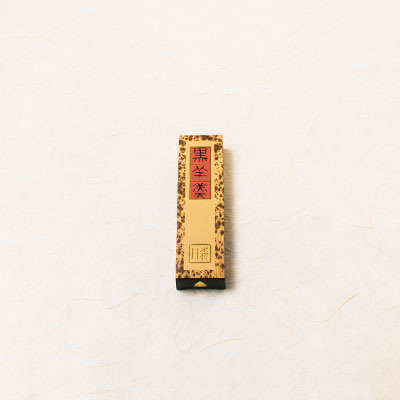
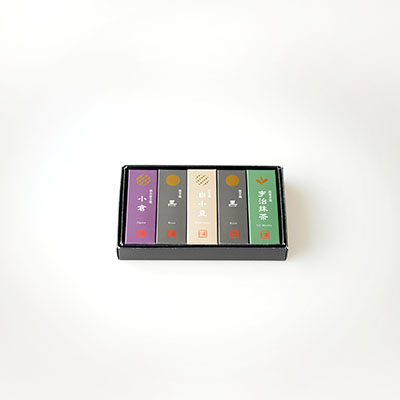
The signature confection "Choseiden" is an ink-stick-shaped rakugan (pressed sugar candy) said to be conceived by Toshitsune Maeda, the third lord of the Kaga Clan, with characters written by tea master Enshu Kobori. Made with wasanbon sugar and mochi rice flour from the Hokuriku region, it has been praised as "the finest of Japan's three great confections."

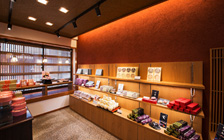
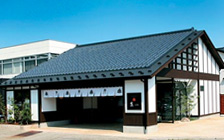
It is said that the company has made approximately 4,000 kinds of confectionery over its time serving the clan. In 2011, it relocated its main shop to Otemachi in Kanazawa's castle town and established the "Kanazawa Confectionery Mold Art Museum" on the second floor. It displays confectionery molds and vessels from the Edo period, conveying Kaga Kanazawa's confectionery culture.

BrandMorihachi
CompanyMorihachi Corporation
Founded1625
FounderHachizaemon Morishitaya (second generation)
Head officeKanazawa, Ishikawa
CategoryWagashi (Japanese confectionery)
Official sitehttps://www.morihachi.co.jp/

History — timeline

  1. 1625

    Second-generation Hachizaemon Morishitaya transitions from sake brewing to confectionery-making by order of the Kaga Clan and moves to Owaricho in front of Kanazawa Castle's main gate.

  2. 1869

    The shop name is changed to "Morihachi." The name derives from "Mori" from Morishitaya and "Hachi" from Hachizaemon.

  3. 1878

    In October, in connection with Emperor Meiji's tour of the Hokuriku region, the company prepares a stone-bridge confection made of kinkato (molded sugar) for the Emperor to view.

  4. 1886

    In November, the Imperial Household Ministry requests the company to supply confectionery for imperial meals.

  5. 1911

    On October 12, Shigekichi Nakamiya takes over the business and establishes Morihachi Gomei Kaisha (general partnership) with capital of ¥5,000.

  6. 1916

    Opens Morihachi Tokyo Branch at Nihonbashi, Tokyo.

  7. 1918

    Eiichi Shibusawa and his wife visit the main shop.

  8. 1927

    On the occasion of the visit of Tantansai, the fourteenth head of Urasenke School of tea, the company supplies the full set of confections for his reception and receives the hermitage name "Rakuan" for the main shop's tea room.

  9. 1967

    On October 1, the organization is reorganized and Morihachi becomes a corporation.

  10. 2011

    Opens a new main shop at Otemachi, Kanazawa. The "Kanazawa Confectionery Mold Art Museum" is established on the second floor.

  11. 2021

    The Tokyo shop relocates to Jimbocho, Chiyoda.

  12. 2022

    Opens "UNFINI," a chocolate specialty shop featuring Japanese-style chocolate.

Conveying Kaga Kanazawa's Confectionery Culture to the Future

A distinctive feature of Morihachi's management philosophy is that it is written from the employee's perspective rather than management directive. It encompasses delivering satisfaction to customers with "the finest flavor and finest hospitality," preserving and passing on Kaga Kanazawa's confectionery culture as "delicious traditional culture" to the future, and taking pride in this work to realize a happy life through one's work. The company states that it pursues these three principles and continues "repaying society's kindness" as its company motto.

Signature sweets

Prices and contents are as shown on the official site on the date checked. They change with the season and stock.

Photo: Morihachi official website / We do not store copies of the photos on this site.

Good to know

The birth of Choseiden

According to the company, the origin traces to when Hachizaemon Morishitaya the third was commissioned by the clan to make rakugan for a Tanabata (star festival) banquet at Edo Castle. Enshu Kobori, having tasted it, advised Lord Toshitsune Maeda to engrave the three characters "Choseiden" in seal script, and thus it was created.

Four thousand confections and a wooden mold museum

Over four hundred years serving as the clan's confectioner, the company has made approximately 4,000 kinds of confectionery—including about 1,500 fresh confections and about 2,000 dry confections. The Kanazawa Confectionery Mold Art Museum on the second floor of the main shop displays confectionery wooden molds and vessels from the Edo period to convey this heritage.

The origin of the "Snake Jewel" trademark

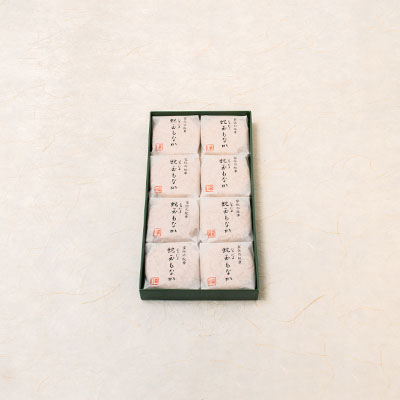
The "Snake Jewel" (also called "Dragon Jewel") family crest derives from the pattern drawn on the armor by Kameda Osumi Takatsuna, the ancestor of Morihachi, boasting his military exploits. That pattern is now carried forward in the shape of the monaka (wafer sandwich) confection "Snake Jewel Monaka."

Shops

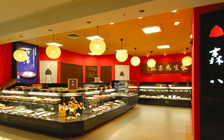
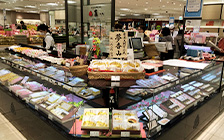
See the official shop list for all locations. Opening hours and closing days may change. Please check the official site before visiting. Photos: each shop's official page