Daichi wo Mamoru Kai

Daichi wo Mamoru Kai
大地を守る会

A food delivery service born from the organic farming movement

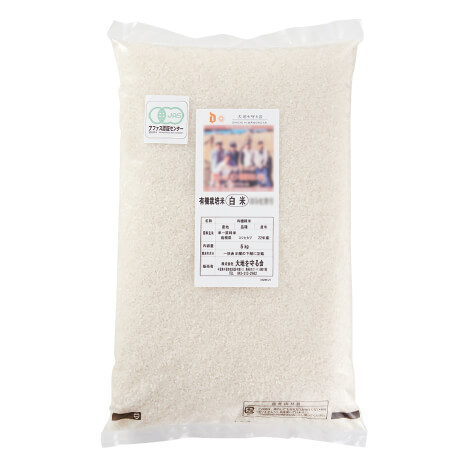
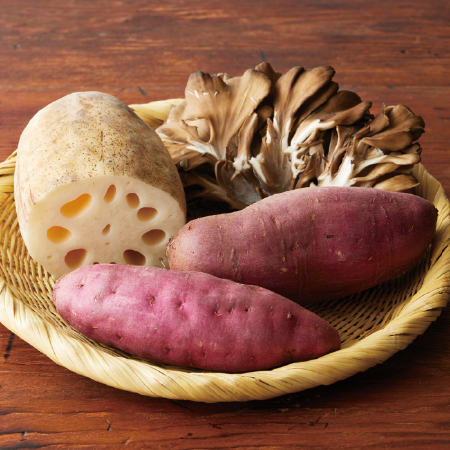
Daichi wo Mamoru Kai delivery example of the small-batch, multi-item vegetable set
Photo: Daichi wo Mamoru Kai official website
1975
Founded
51 yrs
of history
10
signature items on this page

About Daichi wo Mamoru Kai

Daichi wo Mamoru Kai is a delivery service for organic produce and natural foods born in 1975 as a citizens' association. Beginning with a movement to spread farming without reliance on pesticides, it has nurtured for half a century a system connecting producers directly to consumers. Today it continues as one of the delivery services operated by Oisix Co., Ltd.

From the days of delivering vegetables by cooperative purchasing truck, to introducing organic produce to school lunches, developing low-temperature pasteurized milk, and launching nighttime delivery services — the company has expanded its product range while moving back and forth between activism and business. This history is recorded in the participants' own words in the "History" series on the official site. Its product line has expanded from vegetables to milk, meat, and fish.

The hanpukai (monthly subscription) featured on MELENGE called "Seasonal Japanese Sweets" delivers jonamagashi (fine fresh confections) from Fukuda-ya, a traditional Japanese confectionery maker in Matsue, Shimane Prefecture, selected by the association, by frozen delivery once a month. It is positioned as confections vetted by a delivery company that is not a wagashi specialty shop. The contents of the confections and delivery schedule are publicly released in advance.

BrandDaichi wo Mamoru Kai
CompanyOisix Co., Ltd.
FoundedAugust 1975
FounderToshio Fujimoto (first chairman)
Head officeShinagawa City, Tokyo (headquarters of operating company Oisix Co., Ltd.)
CategoryFood delivery & online shops
Official sitehttps://www.daichi-m.co.jp/

History — timeline

  1. 1975

    "Daichi wo Mamoru Shimin no Kai" is established. Later renamed "Daichi wo Mamoru Kai," with Toshio Fujimoto as the first chairman.

  2. 1977

    The distribution division is incorporated as Daichi Co., Ltd., making the association's operations into a company.

  3. 1979

    Organic produce is used for school lunch at Ochiai Number 1 Elementary School in Shinjuku Ward. The company subsequently works to bring safe food into school lunches.

  4. 1981

    In search of low-temperature pasteurized milk, the company visits dairy makers nationwide and reaches a dairy-specialist cooperative.

  5. 1985

    Kazuyoshi Fujita becomes chairman of Daichi wo Mamoru Kai. Fujita later serves as representative director chairman at Oisix after the merger.

  6. 1985

    As an "experiment," the company begins nighttime delivery from the Jindaiji, Chofu, center within a 5 km radius, with mainly dual-income households in mind.

  7. 2010

    The Daichi wo Mamoru Kai web store opens. In July of the same year, "Daichi wo Mamoru Deli" opens in Ecute Tokyo, inside Tokyo Station.

  8. 2015

    The delivery service, previously limited to the Tokyo metropolitan area, expands nationwide. In the same month, the company holds a ceremony marking its 40th anniversary.

  9. 2017

    After becoming a wholly owned subsidiary of Oisix through stock exchange in March, it merges with Oisix to integrate management.

  10. 2026

    The operating company name changes from Oisix La Daichi Co., Ltd. to Oisix Co., Ltd.

Aiming for a society where such an organization becomes unnecessary

According to the company's official site series, the founding members used to say their goal was "to destroy Daichi wo Mamoru Kai." Should organic farming become the norm and food, water, and environment be cherished in society, such an organization would no longer be needed. The idea was to expand their movement and business to create that kind of society. When establishing the company in 1977, they set principles of protecting life and health and preventing "stagnation" in the flow of people, goods, and information.

Signature sweets

Prices and contents are as shown on the official site on the date checked. They change with the season and stock.

Photo: Daichi wo Mamoru Kai official website / We do not store copies of the photos on this site.

Good to know

Organic produce in school lunches

In June 1979, organic produce was used for school lunch at Ochiai Number 1 Elementary School in Shinjuku Ward. Subsequently the company worked to bring safe food to school lunches, participating in 1983 in the founding of the Association for Thinking About National School Lunches.

An experiment in an open corporation

In the company establishment proposal of September 1977, the founders pledged not to create a company for the profit of a few, aiming instead for an "open corporation" with no stagnation in the flow of people, goods, and information. This principle was later written into the articles of incorporation as well.