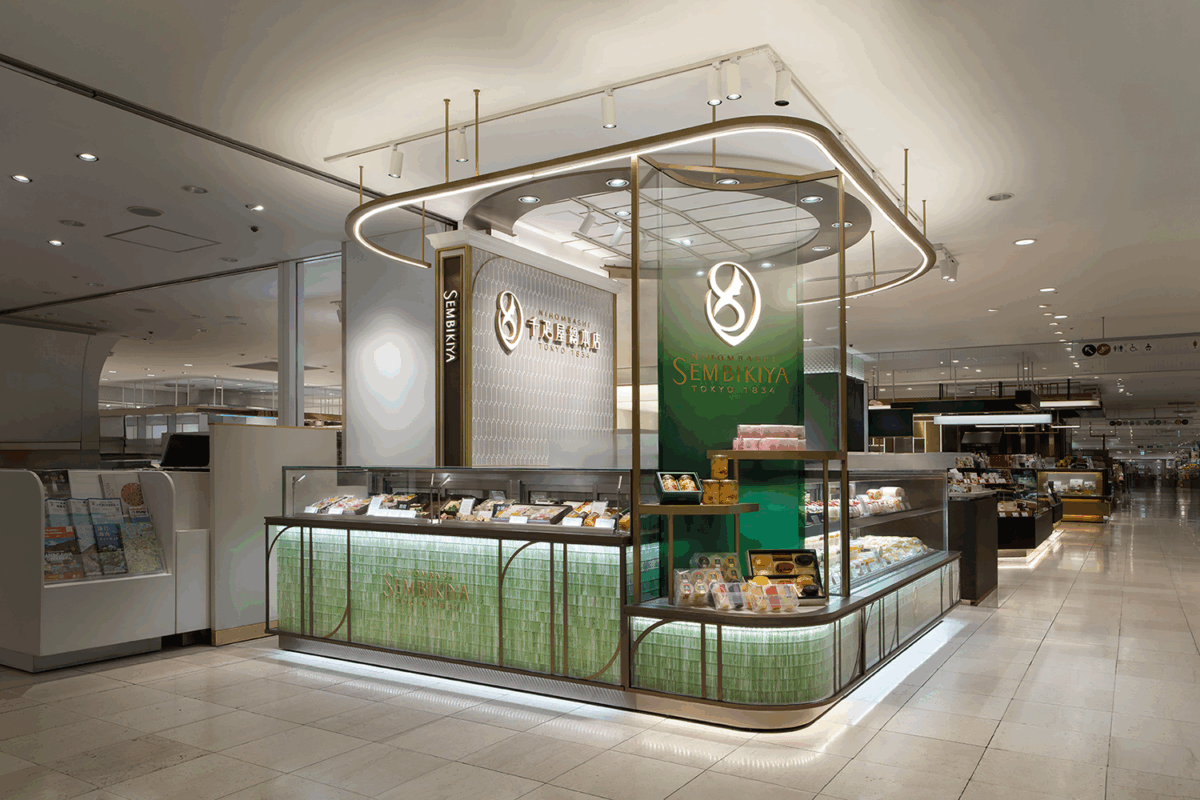
SEMBIKIYA

SEMBIKIYA
千疋屋総本店

The parent house continuing fruit trade at Nihonbashi

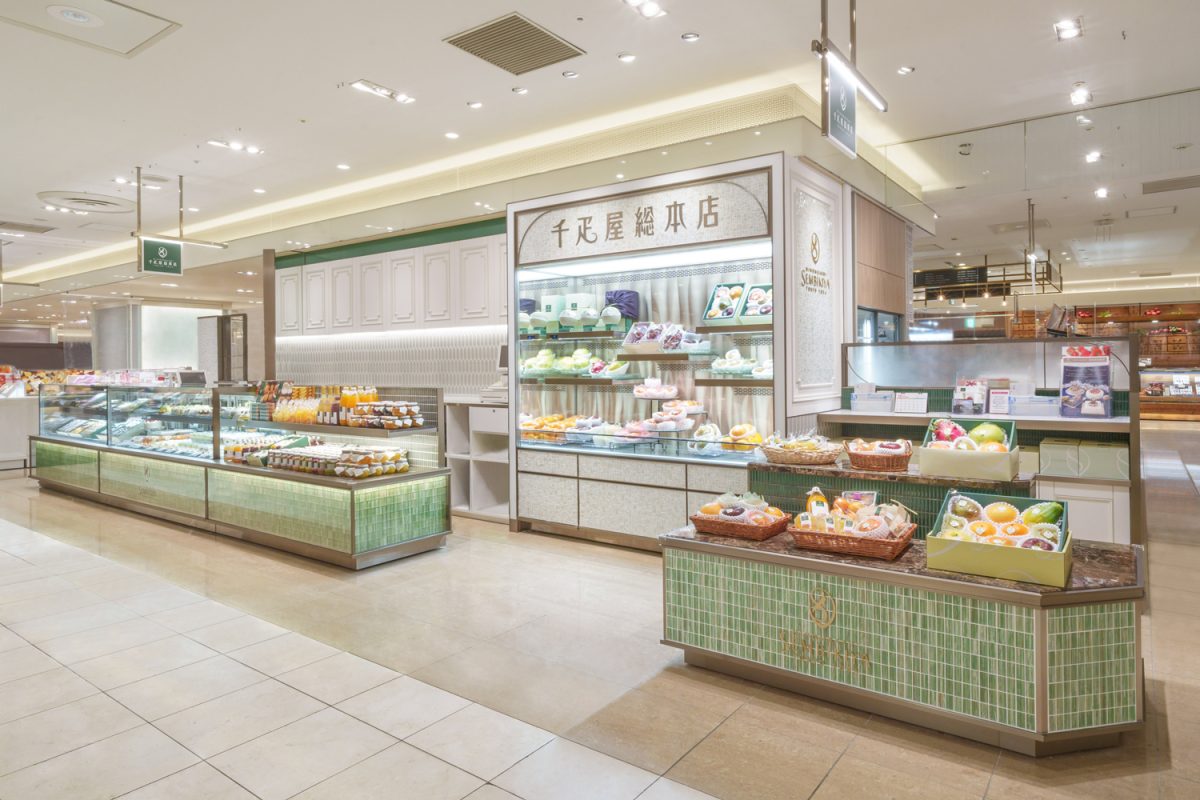
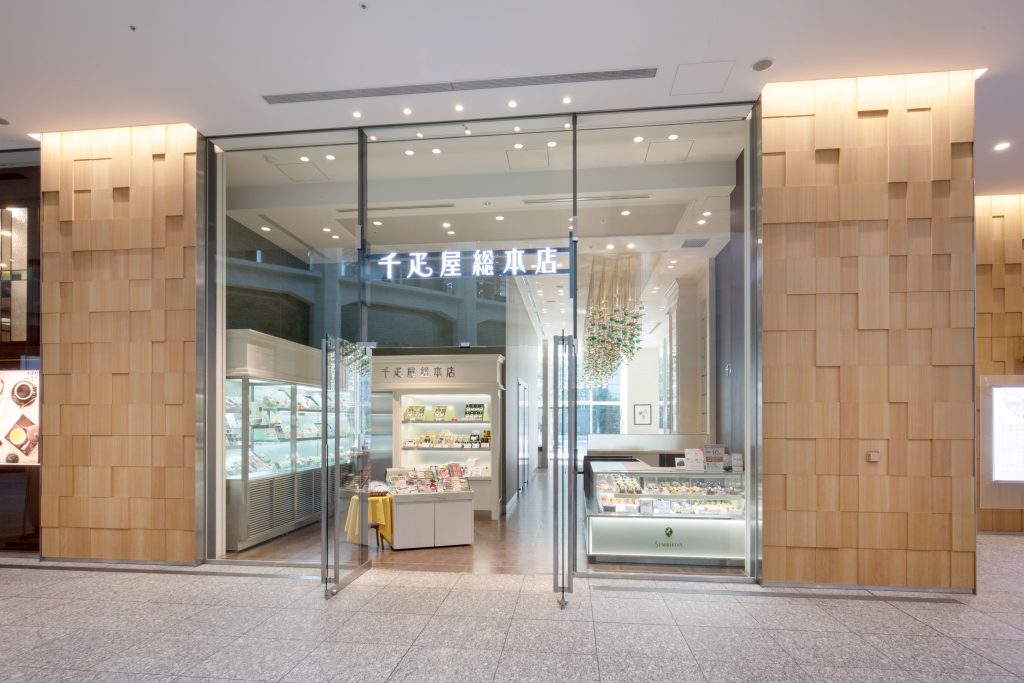
Sembikiya Sohonten Nihonbashi main store
Photo: SEMBIKIYA official website
1834
Founded
192 yrs
of history
10
signature items on this page

About SEMBIKIYA

Sembikiya Sohonten is a specialty fruit shop beginning in 1834 at Fukuya-cho (now Ningyocho, Nihonbashi). First generation Benzo, a samurai from Sembiki-no-sato in Musashi Province (now Koshigaya, Saitama), began selling peaches and watermelons transported by boat under the sign "Inexpensive Fresh Fruit Shop," and the shop name comes from his native place.

The third generation moved the shop to Nihonbashi Muromachi in the Meiji period, focusing on importing foreign fruit and improving the quality of domestic fruit. In the Taisho period, the company opened its own farm in Setagaya, growing musk melon in greenhouses. In the early Showa period, it built a Western-style building with a fruit parlor on the 2nd floor. The essence of this shop lies in selecting fruit, growing it, and even considering how to eat it.

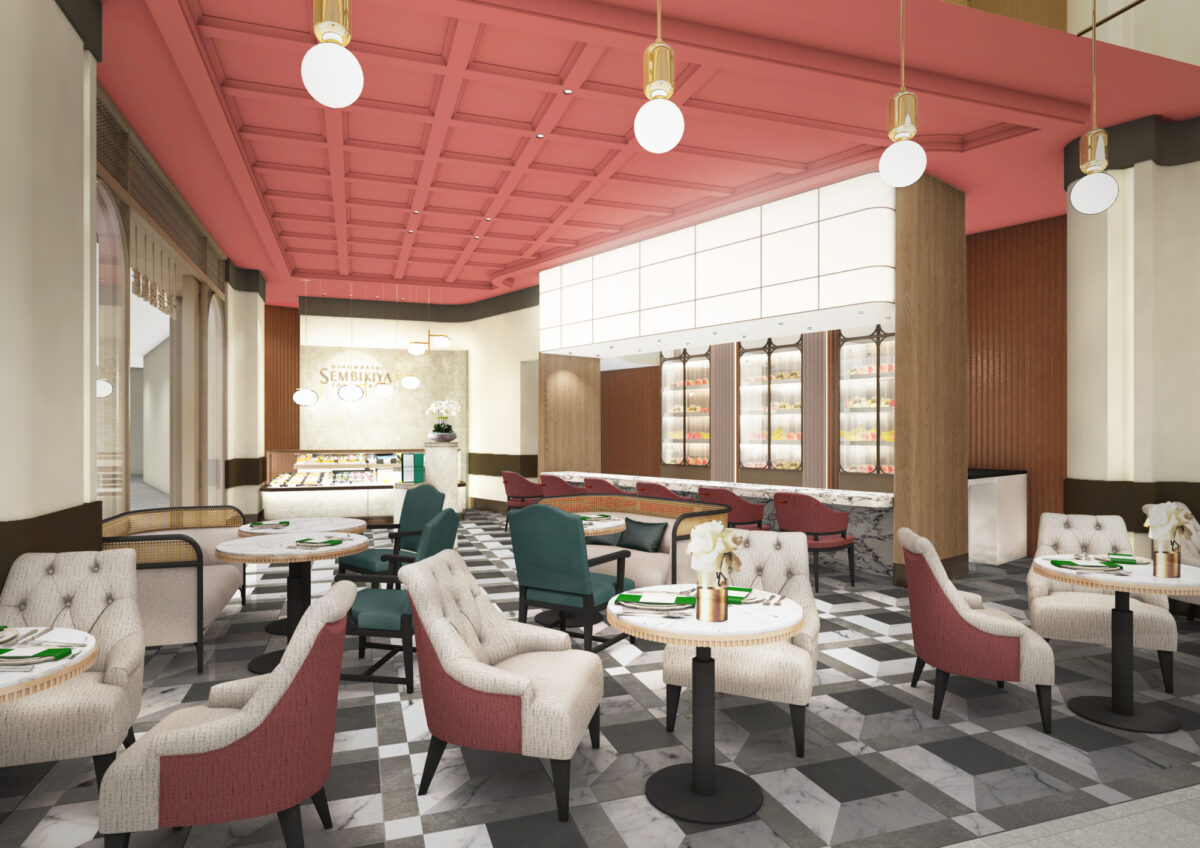
Kyobashi Sembikiya and Ginza Sembikiya were born through branch separation from this Sohonten. The three companies now independently manage their operations while maintaining connections through regular exchange meetings. The main store has been on the 1st and 2nd floors of Nihonbashi Mitsui Tower since 2005, with fruit sales floor, parlor, and restaurant side by side.

BrandSEMBIKIYA
CompanySembikiya Sohonten Co., Ltd.
Founded1834
FounderBenzo Oshima
Head officeNihonbashi Muromachi, Chuo City, Tokyo
CategoryFruit & fruit parlors
Official sitehttps://www.sembikiya.co.jp/

History — timeline

  1. 1834

    First generation Benzo opens a shop selling fruit and vegetables under the sign "Inexpensive Fresh Fruit Shop" at Fukuya-cho (now Nihonbashi Ningyocho, 3-chome), Edo.

  2. 1864

    Second generation Bunzo succeeds and through connection with wife Mura begins doing business with the Asakusa ryotei Yaoyozen, and becomes purveyor to the Tokugawa family.

  3. 1867

    Third generation moves the shop to Nihonbashi Honcho (Muromachi). He devotes effort to importing foreign fruit and improving quality of domestic fruit.

  4. 1881

    Third generation permits branch separation to his younger sister Kiyo and her husband, who served as a clerk, creating Nakabashi Hirokoji branch (now Kyobashi Sembikiya).

  5. 1894

    Yoshimasa Saito, a clerk, age 27, is permitted branch separation, opening Shinbashi (Ginza) Sembikiya. This corresponds to the current Ginza Sembikiya Co., Ltd.

  6. 1914

    Opens a 3000-tsubo farm in Komazawa Village, Ebara County (now Kamiuma, Setagaya), engaging in musk melon cultivation and improvement through greenhouse technology.

  7. 1929

    A new Western building with Corinthian exterior is constructed; a fruit parlor is opened on the 2nd floor. American short cake and mango curry are added to the menu.

  8. 1938

    Reorganized as a corporation; the fourth-generation becomes president. The fruit business that had continued as family enterprise becomes a corporate operation.

  9. 1971

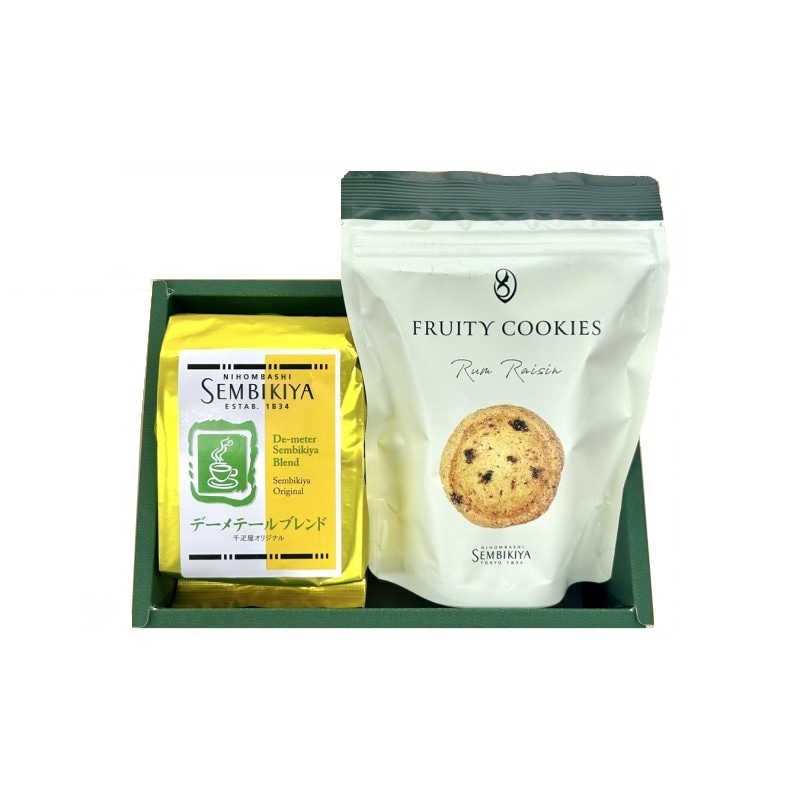
    New main store building is completed and opens. Establishes De'meter Sembikiya Co., Ltd., operating a fruit parlor & restaurant, banquet room, and confectionery factory.

  10. 2005

    The Nihonbashi main store opens in Nihonbashi Mitsui Tower. Sales floor and cafe on 1st floor; fruit parlor and restaurant on 2nd floor.

Delivering "a step above richness"

After the sixth generation took over in 1998, Sembikiya Sohonten launched the "Brand Revitalization Project," keeping the De'meter design while renewing the logo. The expressed mission is to deliver customers "a step above richness" through fresh, carefully selected fruit and high-quality products, delivered with sincere service. The official website states the company wishes to continue sending fruit lovingly cultivated by producers as gifts, and transformed into desserts and cakes.

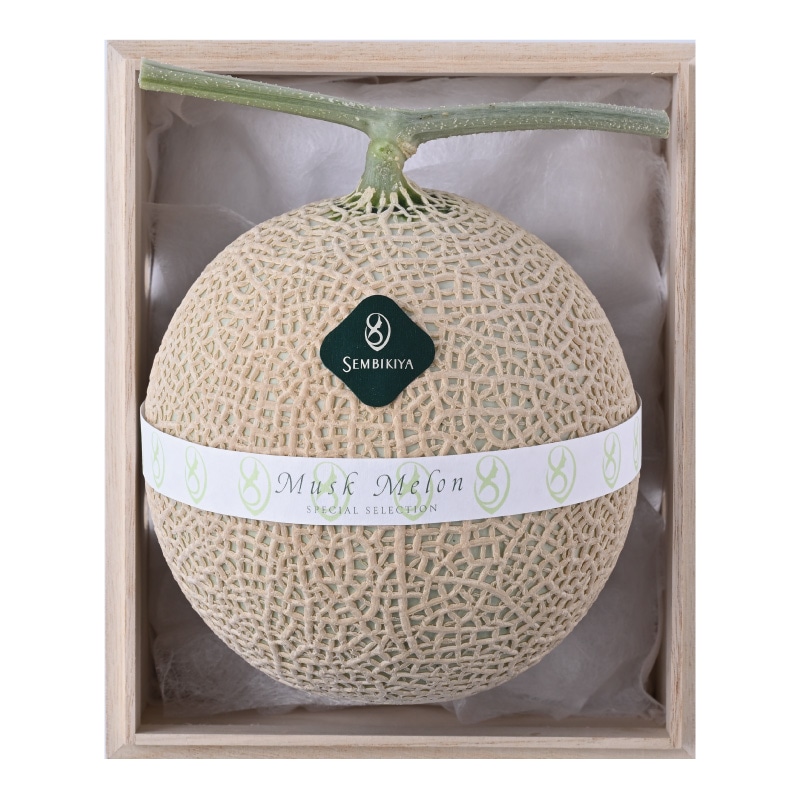
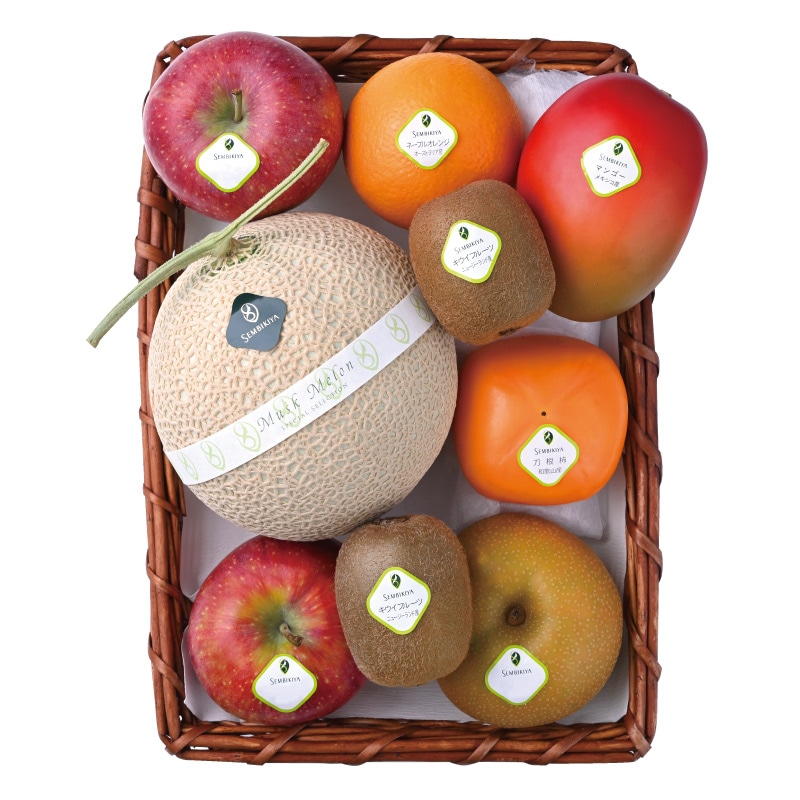
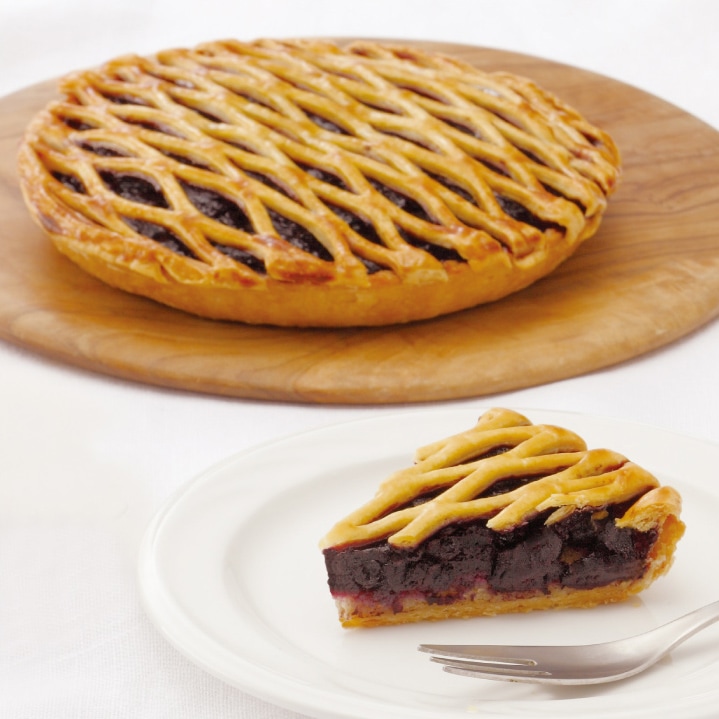
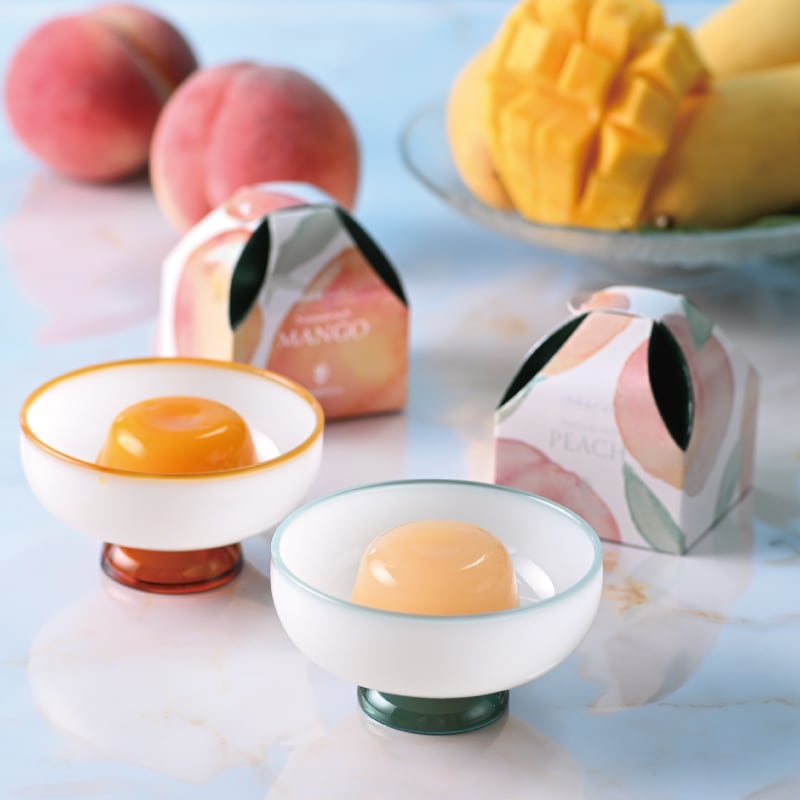
Signature sweets

Prices and contents are as shown on the official site on the date checked. They change with the season and stock.

Photo: SEMBIKIYA official website / We do not store copies of the photos on this site.

Good to know

The three Sembikiya

Kyobashi Sembikiya and Ginza Sembikiya are shops that separated independently from Sohonten, and the three maintain kinship bonds while managing independently. The three companies regularly hold exchange meetings, with product representatives reportedly exchanging information.

Growing fruit in their own orchards

In 1914 the company opened a 3000-tsubo farm in Kamiuma, Setagaya, producing musk melon in five greenhouses. It cultivated what is said to be Japan's first strawberry variety, "Fukuba strawberry," and in 1933 opened a loquat orchard in Tomiura, Chiba, to improve the "Tanaka Loquat."

The founder's original sign remains at the main store

The "Inexpensive Fresh Fruit Shop" sign hung by first generation Benzo at a stall by Oyajibashi bridge was later restored and can be seen at the current Nihonbashi main store. "Fresh fruit" refers to sweet fruit; this placard tells the story of the shop's beginning.

Shops

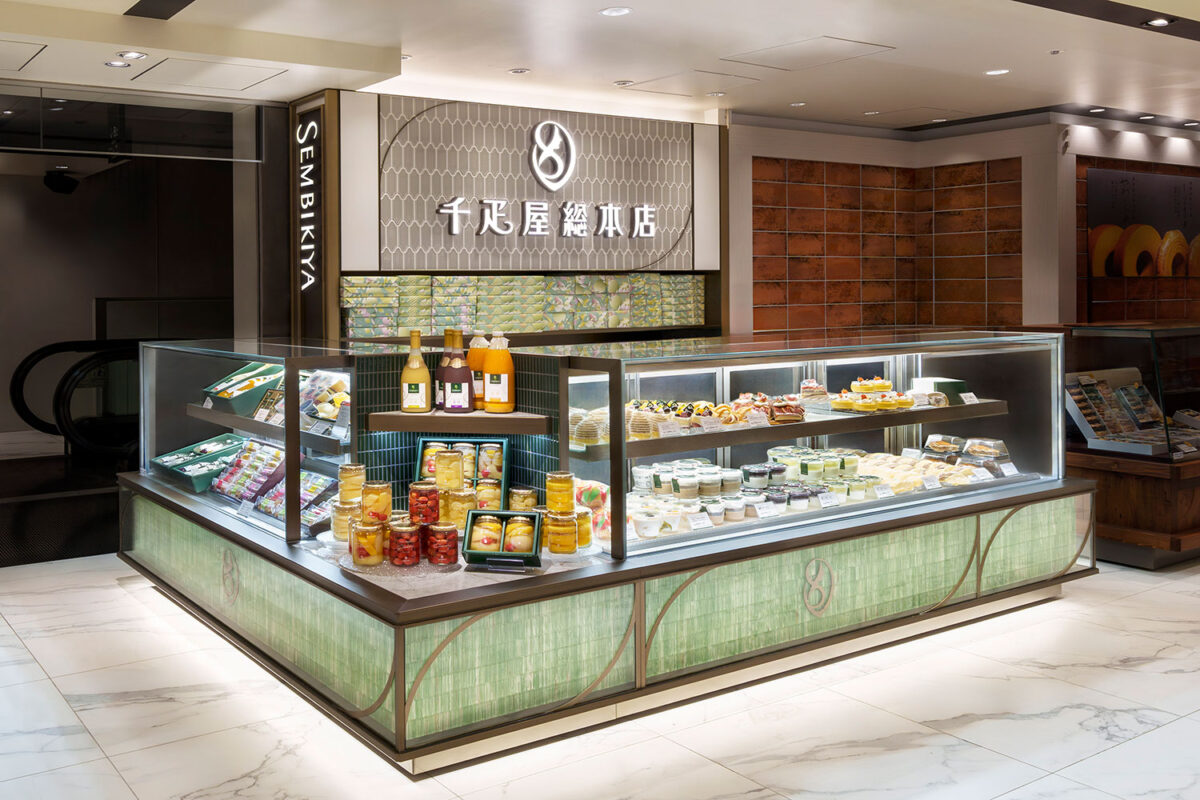
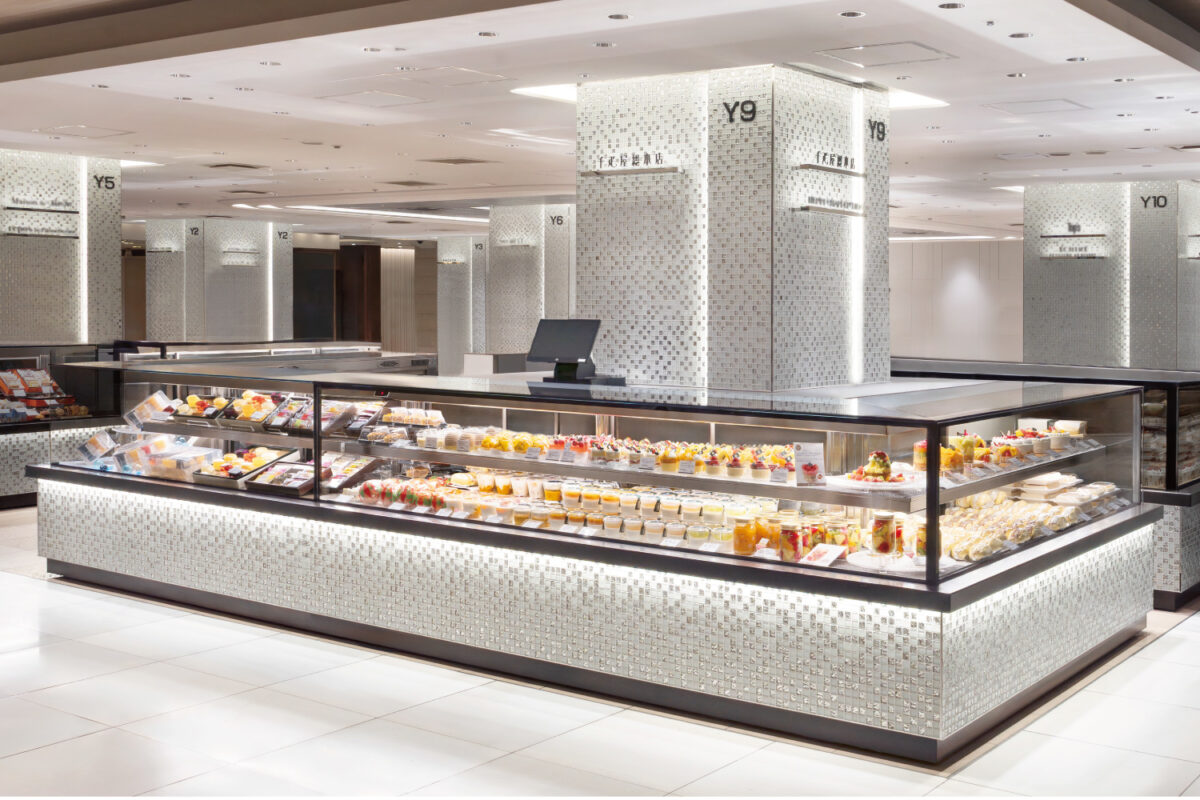
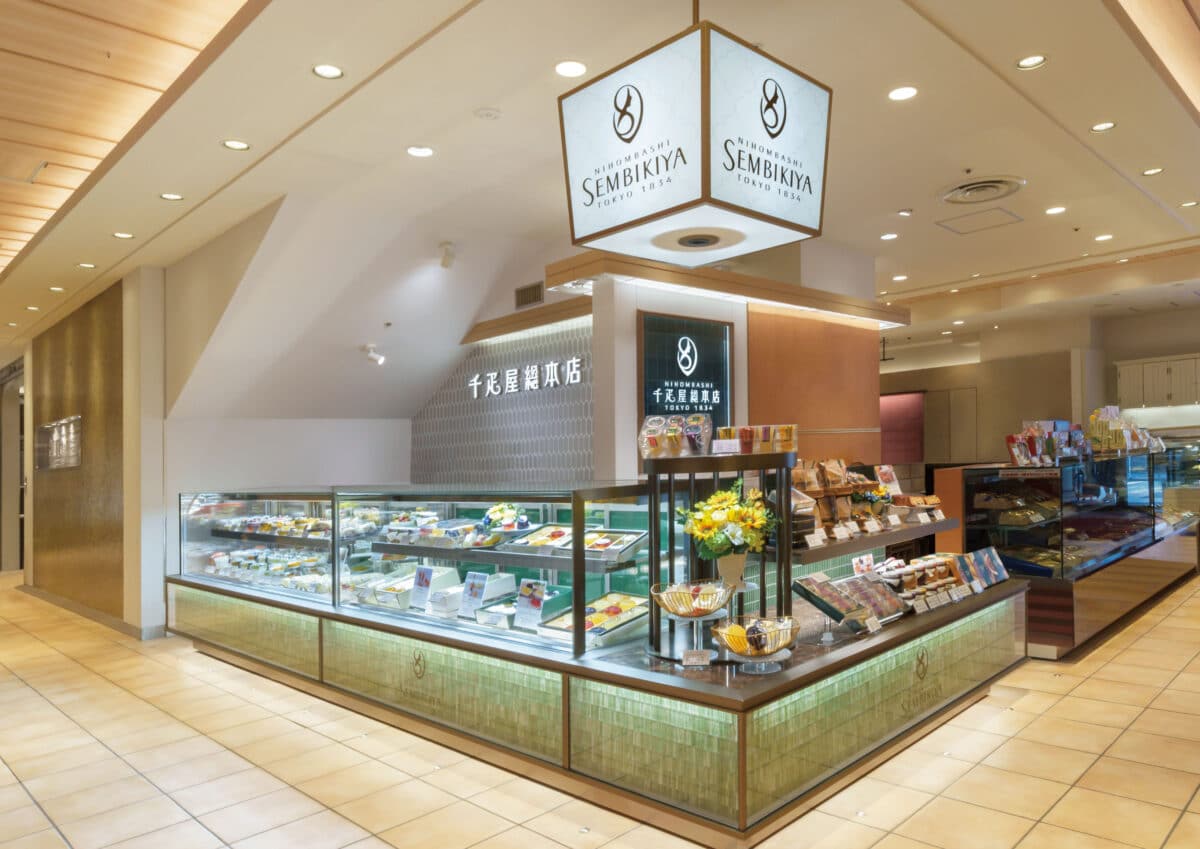
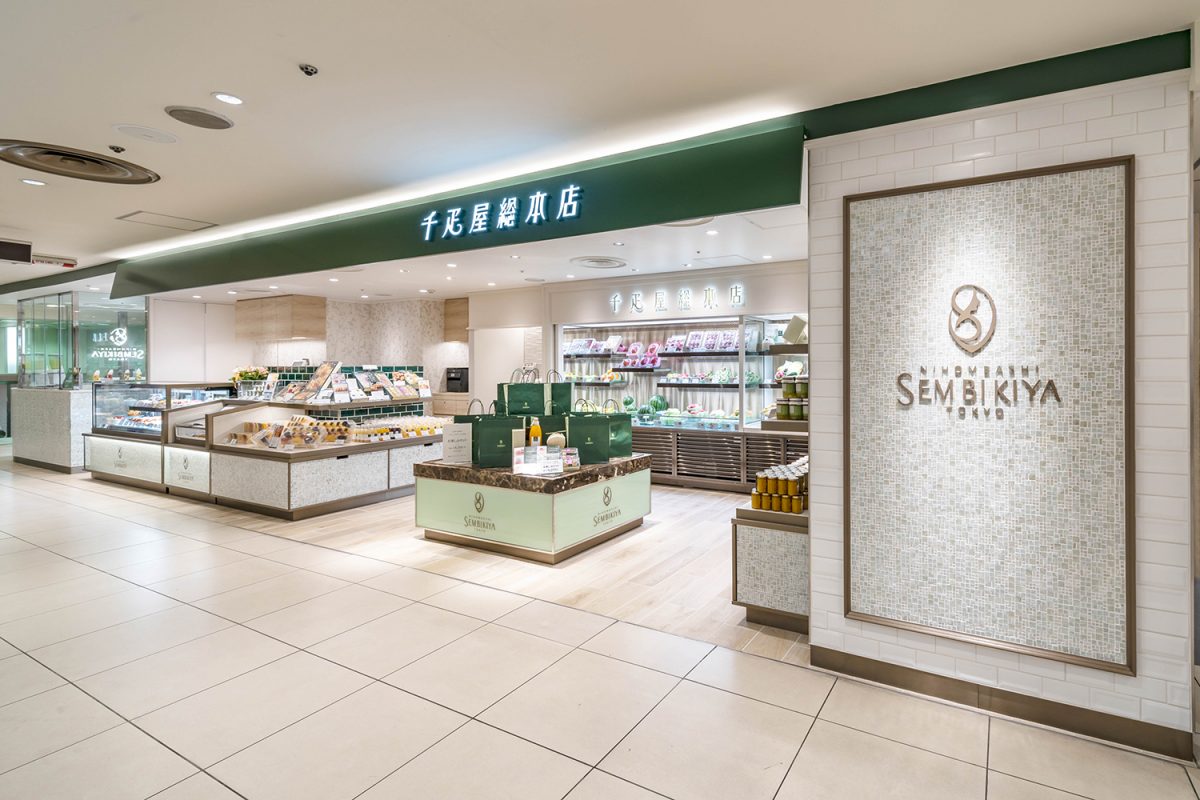
See the official shop list for all locations. Opening hours and closing days may change. Please check the official site before visiting. Photos: each shop's official page