KYOBASHI SENBIKIYA

KYOBASHI SENBIKIYA
京橋千疋屋

A fruit shop opened in a place where the main store is not in sight

About Kyobashi Sembikiya
Photo: KYOBASHI SENBIKIYA official website
1881
Founded
145 yrs
of history
10
signature items on this page

About KYOBASHI SENBIKIYA

Kyobashi Sembikiya is a fruit shop born in 1881 through separation of a branch from Sembikiya Sohonten. It began when Kiyo, sister of the Sohonten's third-generation head, and her husband Jirokichi Tani, who excelled as head clerk, opened "Nakabashi Sembikiya" at what was then Nakabashi Hirokoji. Later the shop name was changed to Kyobashi Sembikiya.

Nearby was the Daikon-gashi vegetable market, busy since the Edo period, and when Tokyo Station opened in 1914, the foot traffic before the shop became endless. The shop later expanded its business with branches in Marunouchi Building and operation of a fruit dining establishment. In 1928 it was appointed purveyor to the Imperial Household Ministry (Kunaishō). In 1953 a branch was opened in Tokyo Station's Famous Shops Street, leading to the current Tokyo Station First Street store.

Today, besides the Kyobashi main store, the company operates fruit shops, cake shops, and fruit parlors in Tokyo Station, department stores, and station buildings. On the 2nd floor of the Kyobashi main store is the restaurant "Biwawa," where the company continues the three tasks of selling fruit, making confections, and plating on dishes under one banner.

BrandKYOBASHI SENBIKIYA
CompanyKyobashi Sembikiya Co., Ltd.
FoundedOctober 1881
FounderJirokichi Tani and Kiyo
Head officeKyobashi, Chuo City, Tokyo
CategoryFruit & fruit parlors
Official sitehttps://www.senbikiya.co.jp/

History — timeline

  1. 1881

    Jichiro Yani and Kiyo, having received permission to branch from Sembikiya Sohonten, open Nakabashi Sembikiya at Nakabashi Hirokoji. Later the shop name is changed to Kyobashi Sembikiya.

  2. 1914

    Tokyo Station, which becomes Tokyo's front door, opens. Endless foot traffic flows before the shop, and the Nakabashi Hirokoji shop prospers greatly.

  3. 1923

    Maru Building Sembikiya opens on the 1st floor (now Basement 1F) of the Marunouchi Building. This store later becomes a corporation in 1976 and is absorbed into Kyobashi Sembikiya in 1995.

  4. 1928

    The company expands operations including opening in the Marunouchi Building and running a fruit dining hall near Sukiyabashi, and receives appointment as purveyor to the Imperial Household Ministry.

  5. 1953

    Kyobashi Sembikiya's branch at Tokyo Station's Famous Shops Street opens. The Famous Shops Street corresponds to what is now First Street, where the Tokyo Station First Street store continues.

  6. 1965

    The Yaesu Underground Passage opens; Yaesu Daichika store opens at the same time. As Tokyo Station's long-awaited underground passage, crowds flocked, it is said.

  7. 1965

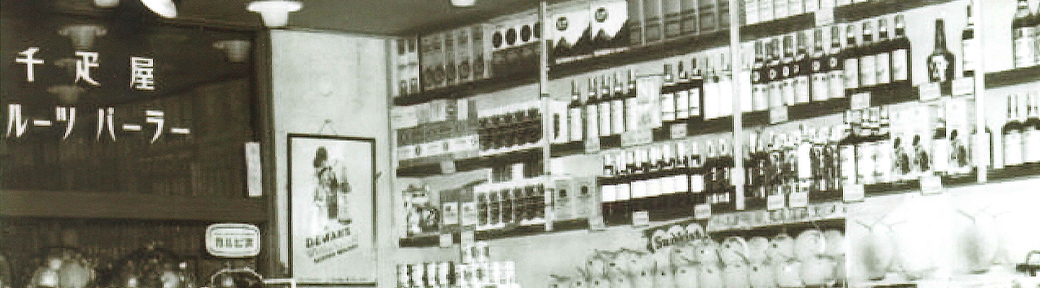
    Harajuku store opens. Its modern interior incorporated the trends of the time; a photo of the original store interior remains on the official website.

  8. 2002

    Restaurant "Biwawa" opens on the 2nd floor of the Kyobashi main store. The same year, in June, the Fukagawa confectionery factory is reorganized as an affiliated company.

  9. 2019

    Fruit parlor opens on the 1st floor of Atre Ueno WEST. In March of the same year, the parlor at Odakyu Department Store Fujisawa on the 5th floor is renovated.

  10. 2026

    The Gransta Tokyo store, which closed in January, reopens as "Kyobashi Sembikiya Shunkan Gransta Tokyo Store."

Customer first, credibility first, harmony and cooperation

Kyobashi Sembikiya sets three principles as management philosophy. "Customer first"—being grateful for customers and placing customer satisfaction first. "Credibility first"—valuing customer and producer trust and working toward development of the fruit industry. "Harmony and cooperation"—broadening mutual trust and pursuing company prosperity and employee happiness. By explicitly stating credibility with not only buyers and sellers but also the producers who grow the fruit in its philosophy, the company shows its true nature as a fruit shop.

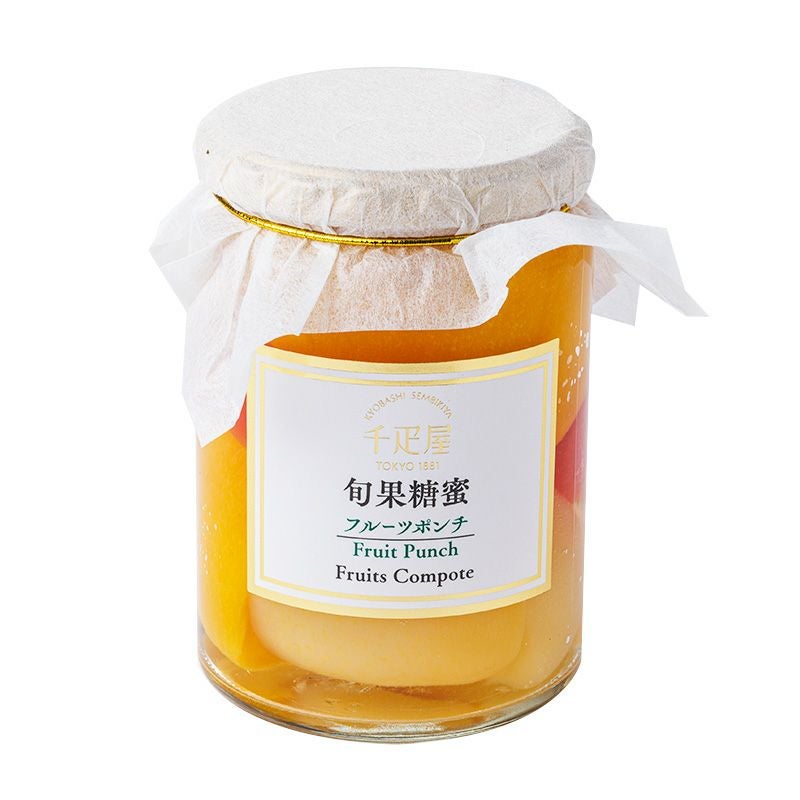
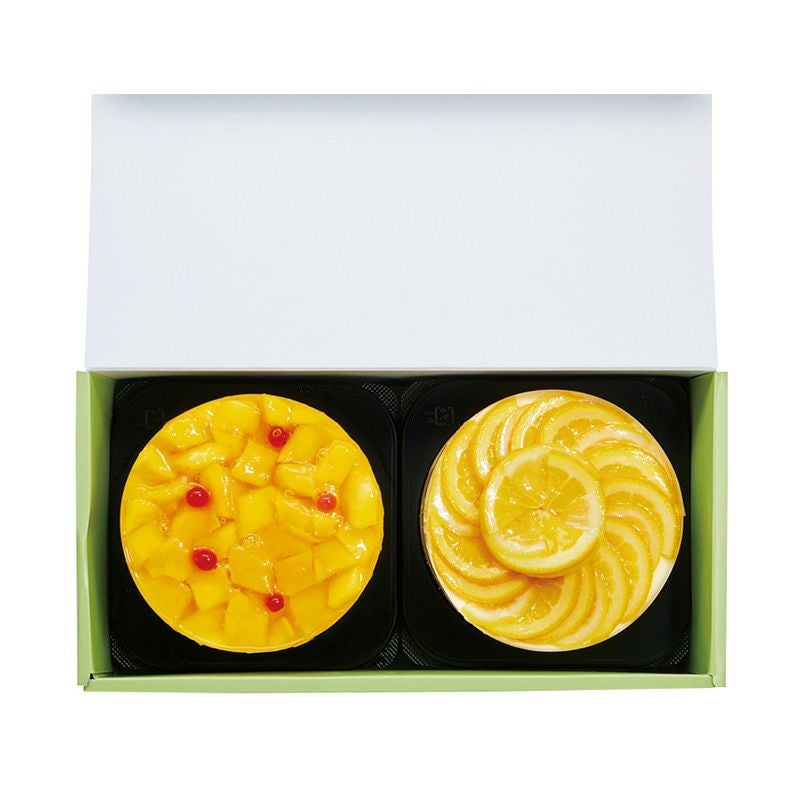
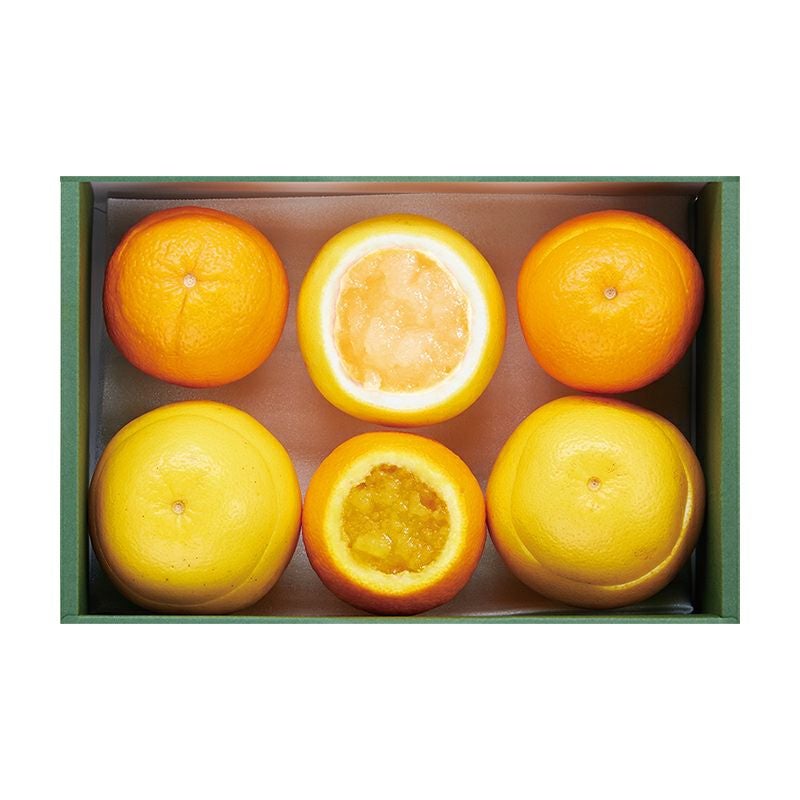
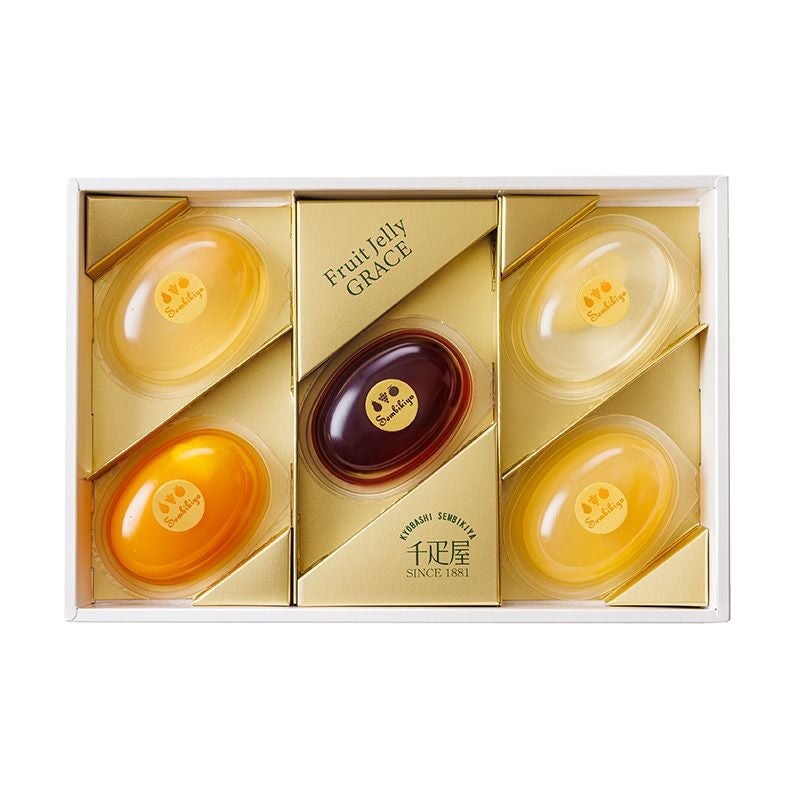
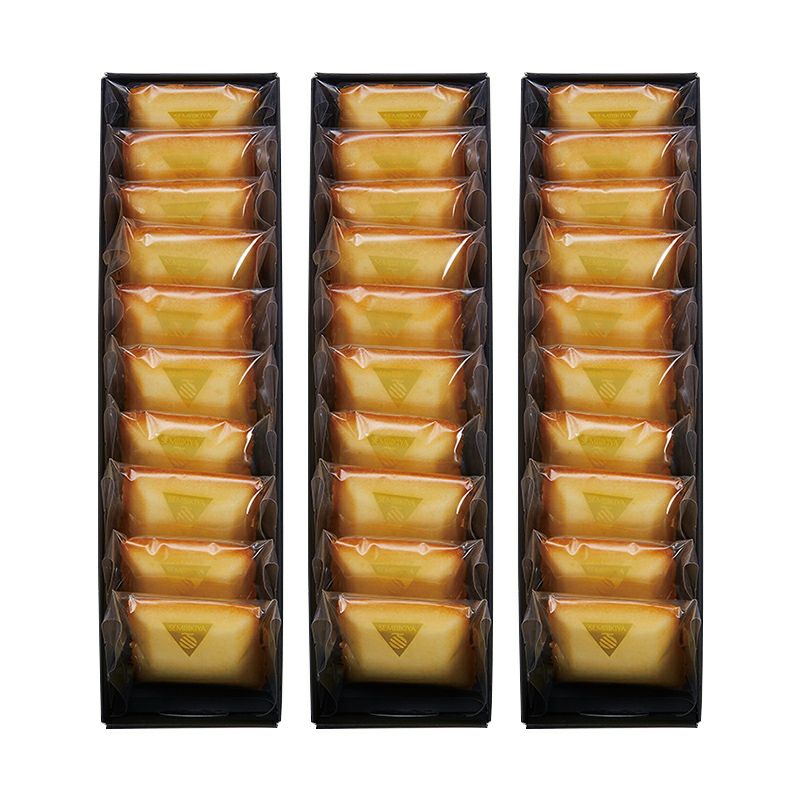
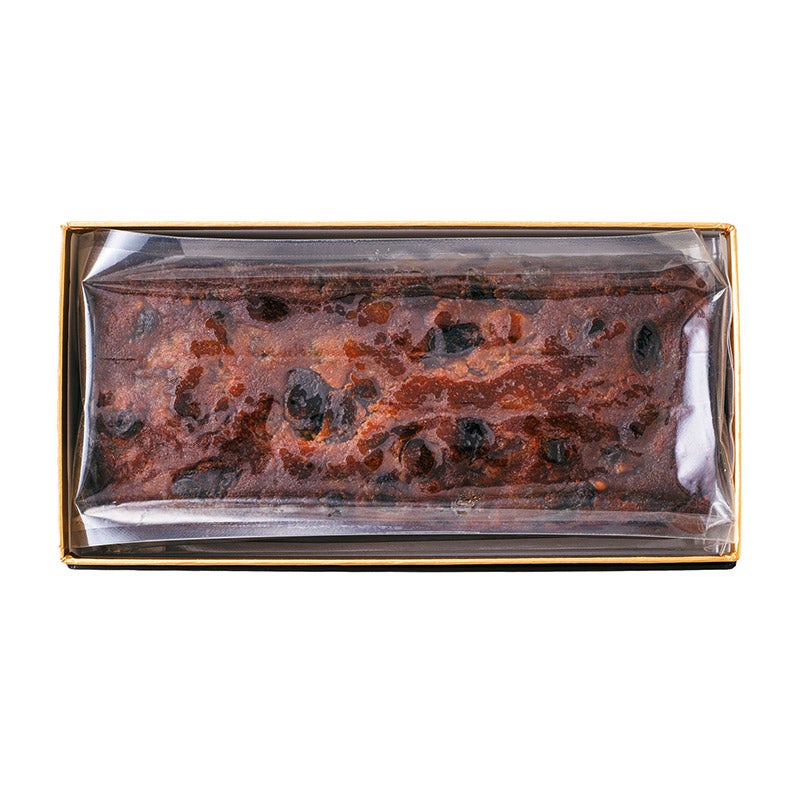
Signature sweets

Prices and contents are as shown on the official site on the date checked. They change with the season and stock.

Photo: KYOBASHI SENBIKIYA official website / We do not store copies of the photos on this site.

Good to know

"In a place where the main store is not in sight"

It is said that Jirokichi and Kiyo, having been granted separation of a branch, stepped out from the main store and walked across the Nihonbashi Bridge, turning back several times. "The main store isn't even visible now; this place is good enough," they said, and stopped walking. That was what is now Kyobashi, then called Nakabashi.

Matchbox designs depicting seasonal fruits

From the Taisho to early Showa period, Kyobashi Sembikiya distributed matchboxes featuring seasonal fruit designs to customers. The official website has a "Matchbox Design Gallery" collecting spring, summer, fall and winter designs, where you can view period designs.

An instruction sheet for every fruit

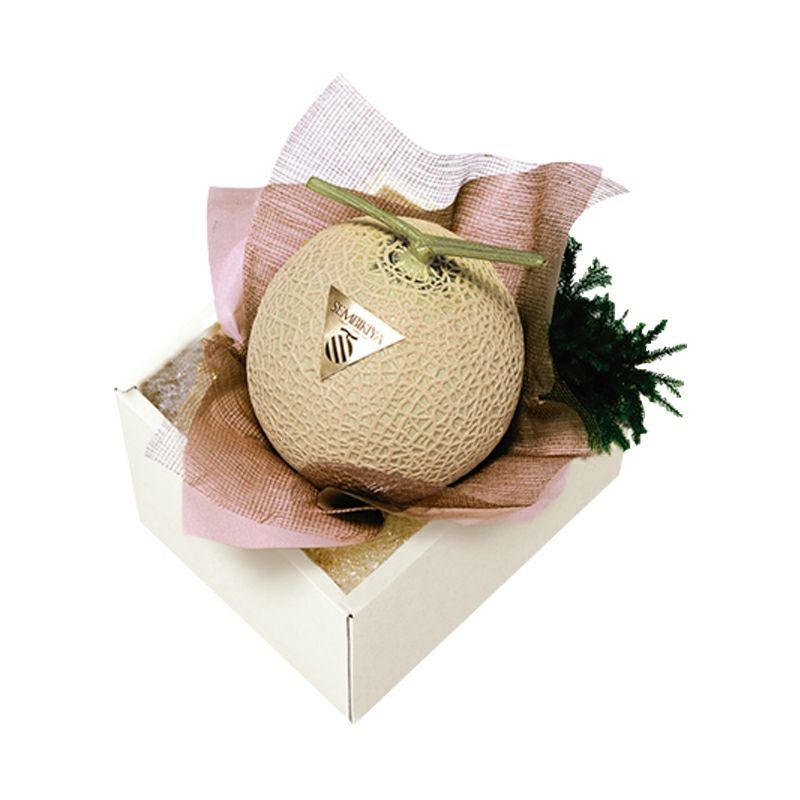
When delivering fruit, an instruction sheet is included explaining the fruit, when to eat it, and storage methods. Musk melon comes with a food calendar card indicating the target eating day, so the recipient doesn't miss the most delicious time.

Shops

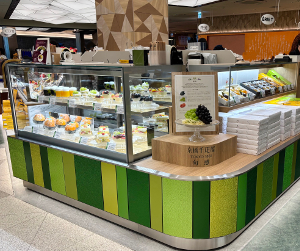
See the official shop list for all locations. Opening hours and closing days may change. Please check the official site before visiting. Photos: each shop's official page