Funawa

Funawa
舟和

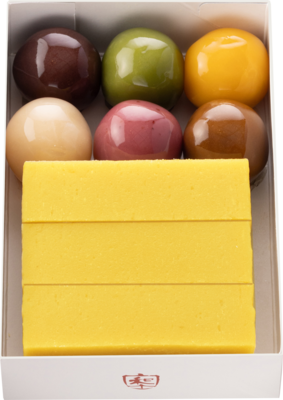
Imo yokan for the common people. From Asakusa, a 120-year history of sweets.

Funawa imo yokan
Photo: Funawa official website
1902
Founded
124 yrs
of history
Asakusa
Home
8
signature items on this page

About Funawa

Funawa is a Japanese confectionery shop founded in October 1902 (Meiji 35) in Asakusa, Tokyo. The founder, Wasuke Kobayashi, devised "imo yokan" (sweet potato jelly) so that ordinary people could enjoy it affordably, as an alternative to the expensive neri yokan (firm kneaded yokan) that was a luxury item at the time. This imo yokan, born from his ingenuity, has been passed down as Funawa's signature product for over 120 years since the founding.

Overcoming the Great Kanto Earthquake and war damage, Funawa has continued to uphold the founding spirit "Yokan-shi Funawa" from 1902. The company incorporated in 1950, and in 1952, the Tokyo Tourism Association recommended imo yokan as a souvenir, and Funawa became known nationwide as a Japanese confectionery maker representing Asakusa.

Centered on the Asakusa main shop, products are sold at major stations throughout Tokyo, commercial facilities, and through online mail order. The company celebrated its 100th anniversary in 2002, and the Asakusa main shop reopened with a renewal in December 2017.

BrandFunawa
CompanyFunawa Honten Co., Ltd.
FoundedOctober 1902 (Meiji 35)
FounderWasuke Kobayashi
Head officeTaito Ward, Tokyo
CategoryWagashi (Japanese confectionery)
Official sitehttps://www.funawa.jp/

History — timeline

  1. 1902

    In October of Meiji 35, founder Wasuke Kobayashi opened "Yokan-shi Funawa" in Asakusa, Tokyo, and devised "imo yokan" so that commoners could enjoy it.

  2. 1903

    In November of Meiji 36, the "Mitsumame Hall" in a tea-house style was opened, and the provision of "mitsumame" (a dessert with colorful fruit arranged) began.

  3. 1923

    Following the damage from the Great Kanto Earthquake, the business was rebuilt along with Asakusa's reconstruction.

  4. 1950

    The company incorporated from individual operation to a corporation, realizing a full-scale management structure.

  5. 1952

    In April of Showa 27, Funawa's imo yokan was recommended as a tourism souvenir by the Tokyo Tourism Association. In the following year, Showa 28, the company opened a branch at Nihonbashi Shirokiya and expanded its stores.

  6. 1963

    The headquarters was relocated to Komagata, Taito Ward, Tokyo.

  7. 2002

    The Asakusa Funawa main shop celebrated its 100th anniversary of founding.

  8. 2017

    In December of Heisei 29, the Asakusa main shop reopened with a renewal.

The founder's feelings in imo yokan

Founder Wasuke Kobayashi devised imo yokan from the desire to let people enjoy yokan more casually, as an alternative to the expensive neri yokan of his time. While overcoming difficulties from the Great Kanto Earthquake and war damage, Funawa has continued its journey alongside the reconstruction of Asakusa.

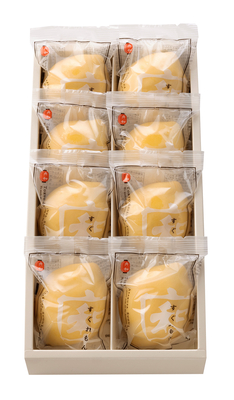
Signature sweets

Prices and contents are as shown on the official site on the date checked. They change with the season and stock.

Photo: Funawa official website / We do not store copies of the photos on this site.

Good to know

The invention of imo yokan

At founding, in place of the premium neri yokan, "imo yokan" was devised. Harnessing the natural sweetness and aroma of sweet potato, it became popular as a Japanese confectionery that common people could enjoy easily, and continues to be passed down as a signature product for over 120 years.

A specialty sweet of Asakusa

In 1952, when the Tokyo Tourism Association recommended imo yokan as a souvenir, it became known nationwide. It is sold at the Asakusa main shop and at major stations and commercial facilities throughout Tokyo.

Renewal of the Asakusa main shop

In Heisei 14 (2002), the Asakusa Funawa main shop celebrated its 100th anniversary. In Heisei 29 (2017), in December, the Asakusa main shop reopened with a renewal.

Shops

Opening hours and closing days may change. Please check the official site before visiting. Photos: each shop's official page